





The Power of Color and Design
Casinos are carefully designed environments that utilize specific colors and layouts to evoke certain emotional responses. For instance, the use of vibrant colors like red and gold can create excitement and stimulate the senses, which can lead to an increased likelihood of spending. Many players enjoy the thrilling atmosphere at establishments like mr luck casino , where the design of a casino floor often employs a maze-like layout, encouraging players to explore and engage with various games. This strategic setup limits exits and promotes a sense of immersion.
In addition to color, the overall aesthetic plays a crucial role in shaping a player’s experience. Luxurious materials, ambient lighting, and carefully curated artwork enhance the casino atmosphere, making it more enticing for players. This environment can lead to a euphoric state, often referred to as the “casino effect,” where players lose track of time and feel compelled to continue playing. All these elements work in tandem, creating an inviting and exhilarating experience that encourages players to stay longer.
Furthermore, the use of sound, such as jingles and celebratory noises, reinforces positive emotions associated with winning. These auditory cues trigger pleasure centers in the brain, creating a cycle where players associate the casino environment with joy and excitement. This multi-sensory approach not only attracts players but also fosters a desire to return, thereby increasing customer retention rates.
Reward Systems and Incentives
Casinos leverage the principle of operant conditioning through their reward systems to promote player engagement. By rewarding players with bonuses, free spins, or complimentary meals, casinos create a sense of value that encourages players to return. This system taps into the psychology of reinforcement, where positive outcomes increase the likelihood of repeating behaviors. Players are more inclined to engage in activities that yield direct rewards, making casinos adept at ensuring a high level of participation.
The excitement of potential rewards is further amplified by the use of tiered loyalty programs. These programs often categorize players into different levels based on their spending and playing frequency, offering increasingly attractive rewards as they ascend. This fosters a competitive atmosphere, where players are motivated to spend more to achieve higher statuses and the accompanying benefits. The psychology behind this strategy is that individuals are driven by the desire for recognition and achievement, making them more likely to invest time and money into their gaming experience.

Moreover, casinos often employ loss aversion strategies, where the fear of losing a potential reward spurs engagement. Players may feel compelled to return in order to reclaim losses or take advantage of promotions that feel time-sensitive. This creates a sense of urgency that can lead to impulsive decision-making, encouraging players to continue gambling in hopes of recouping their investments. The interplay between reward systems and the psychological principles of motivation serves to enhance player loyalty and retention.
The Role of Social Interaction
Social interaction is another powerful psychological factor that casinos exploit to attract players. The communal atmosphere in casinos fosters a sense of belonging, where players can share experiences and triumphs with others. This social dynamic creates an addictive quality, as individuals seek the thrill of not only winning but also celebrating their wins with a group. The presence of other players adds to the excitement, creating an environment where participants feel compelled to engage longer.
Additionally, many casinos organize events or promotions that emphasize group participation. Tournaments, group bonuses, and themed nights encourage players to come together, fostering camaraderie and enhancing social engagement. These events often provide a platform for players to connect, making the gaming experience more enjoyable and memorable. The psychological impact of these social interactions can be profound, as players are more likely to return to a venue where they have formed relationships and shared positive experiences.
Casinos also leverage the concept of social proof, where seeing others engaged and winning can motivate new players to join in. Testimonials, celebrity endorsements, or even simple observations of a crowded gaming table can serve as powerful incentives. This phenomenon highlights the importance of community in gaming spaces, reinforcing the idea that successful and enjoyable experiences are often shared. By prioritizing social elements, casinos can create a more attractive environment for potential players.
Emotional Manipulation and Cognitive Biases
Emotional manipulation is a cornerstone of casino marketing strategies. By understanding psychological triggers, casinos can shape player experiences that lead to heightened emotions. For instance, the anticipation of a big win can create a rush of excitement, engaging players on a deeper psychological level. Casinos often design game mechanics to prolong this anticipation, such as near-misses or rolling jackpot displays, keeping players emotionally invested and more likely to continue playing.
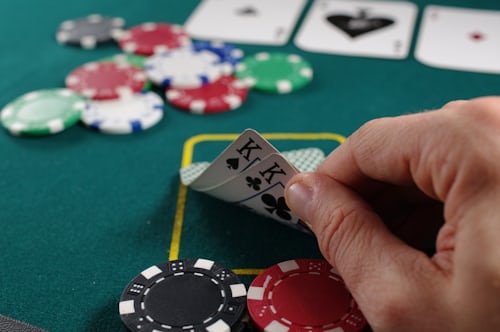
Cognitive biases are also utilized to influence decision-making among players. The “gambler’s fallacy,” for example, is the belief that past outcomes affect future results, leading players to chase losses or assume they are “due” for a win. Casinos capitalize on this bias by encouraging continuous play, creating an illusion of control where players believe their luck will turn in their favor. This psychological trickery can lead to irrational decision-making, with players often gambling more than they initially intended.
Moreover, casinos utilize marketing techniques that appeal to emotions rather than logic. Flashy advertisements and promotions often emphasize experiences over financial outcomes, portraying gambling as an exciting, glamorous lifestyle. This framing encourages players to overlook the risks associated with gaming, focusing instead on the enjoyment and thrill of the experience. Understanding and exploiting these psychological and cognitive aspects allows casinos to draw in players and keep them engaged in their offerings.
Building a Memorable Brand Experience
Ultimately, casinos aim to create a memorable brand experience that players associate with fun, excitement, and community. The ambiance, service quality, and overall experience contribute to a brand’s identity, influencing player loyalty. Through the use of strategic branding and consistent messaging, casinos work to foster an emotional connection with their client base, encouraging repeat visits. This connection is often cultivated through personalized experiences, such as tailored promotions or VIP treatment for loyal customers.
Casinos also invest heavily in customer service training, ensuring that staff members provide a friendly and welcoming atmosphere. This personal touch can significantly enhance a player’s experience, making them feel valued and appreciated. When players feel respected by staff, they are more likely to return and recommend the establishment to others. This connection serves as a powerful tool for casinos, as positive word-of-mouth can attract new players seeking a similar experience.
Moreover, casinos continuously analyze player preferences and behaviors to adapt their offerings. By understanding what attracts players, casinos can innovate their games, events, and promotions to align with player expectations. This commitment to continuous improvement not only keeps the gaming experience fresh but also reinforces the casino’s dedication to meeting players’ needs. The sophisticated interplay of branding and player psychology ultimately creates a compelling and engaging environment.